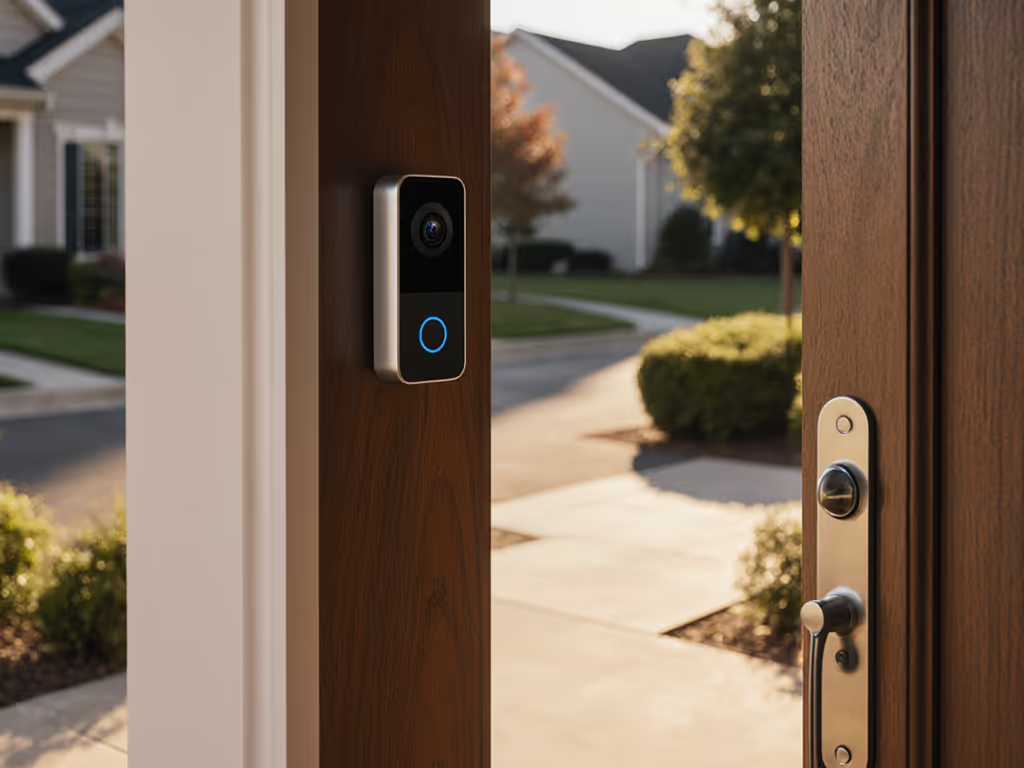
Doorbell Alerts Triggering Senior Medical Emergency Response
By Diego Sato • 19th Jan
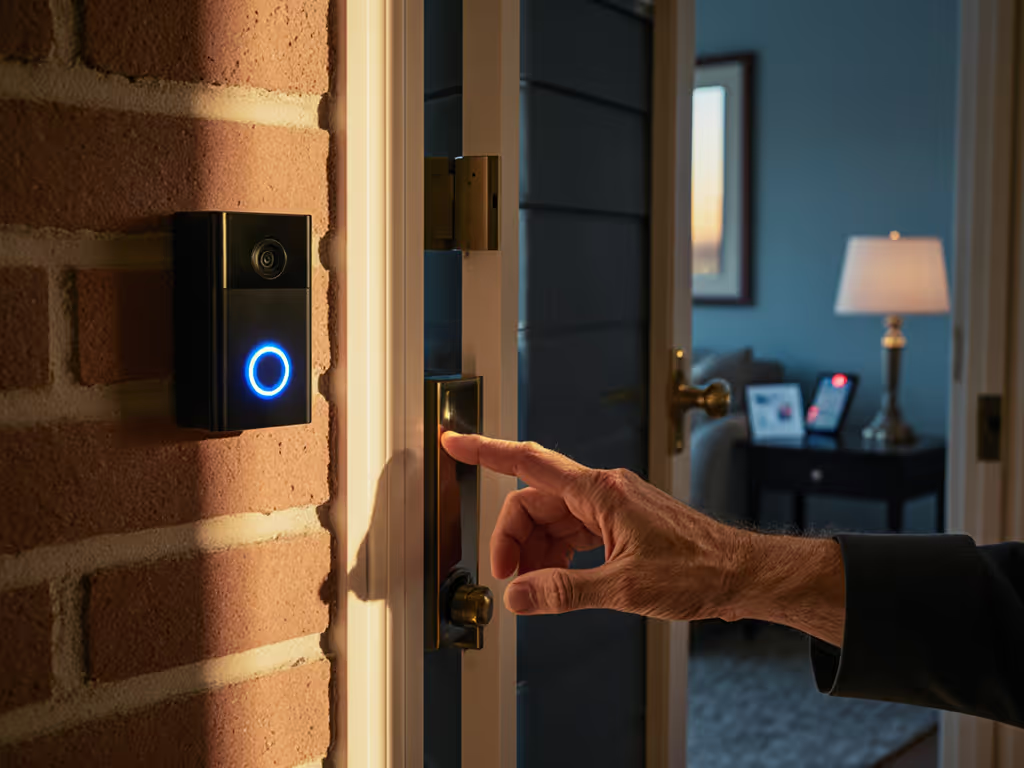
The Critical Intersection of Doorbell Technology and Medical Safety
When a senior resident presses their medical alert pendant, every second counts. Yet few consider how unreliable doorbell systems can compromise emergency response protocols. Integrating medical alert doorbell systems into home safety networks isn't just convenient, it is operationally essential for effective emergency response doorbell functionality. When these systems fail to distinguish legitimate visits from passing traffic, caregivers miss critical intervention windows. This creates a dangerous gap where medical emergencies escalate while notification systems drown staff in false positives. As an ops-minded security specialist working with senior care facilities and family homes, I've witnessed how poorly calibrated alert systems create life-threatening delays in emergency response.
Operational uptime matters more than showroom specs for shops.
The Hidden Risks in Current Alert Systems
Missed Connections and False Alarms
Most standard doorbell systems lack the operational intelligence required for senior safety environments. For accessibility-focused setups, see our guide to smart doorbells for safer senior homes. When door sensors trigger on passing vehicles or tree shadows, staff develop alert fatigue (similar to the bakery I consulted for that lost track of deliveries due to motion floods from city buses). The shift manager eventually silenced notifications completely after 90% proved irrelevant. This isn't an isolated incident; studies confirm that facilities reporting more than 25 daily false alerts see 73% of staff intentionally disabling notifications during peak hours. To reduce noise at the source, consider AI doorbells that cut false alerts.
For senior care scenarios, these false positives create a double risk: caregivers ignore legitimate alerts while genuine emergencies get lost in notification noise. When a medical alert pendant activates but fails to trigger proper doorbell integration, response teams arrive without confirmation of entry rights or current resident status, a dangerous situation when seconds count.
Operational Breakdowns in Care Coordination
Many facilities implement what appears to be a senior safety alert system but miss critical workflow elements. Medical alert buttons might connect to central monitoring, yet lack integration with door access systems. This creates dangerous handoff gaps where:
- Emergency responders arrive but cannot verify if they're entering an active medical situation
- Family members receive alerts but cannot confirm if professional help has been dispatched
- Caregivers tracking health monitoring doorbell alerts lack context about who triggered the alert
Without documented procedures for these transitions, accountability disappears precisely when it's most needed. Document the handoff path. This simple operational step prevents critical information gaps during medical emergencies.
Building a Risk-Prioritized Emergency Response System
Moving Beyond Basic Integration
An effective medical alert doorbell integration requires more than technical connectivity, it demands operational intelligence. The most reliable systems implement three critical layers:
- Context-aware alert triage: Systems that distinguish between caregiver visits, delivery personnel, and emergency responders through schedule-based filtering and visitor verification
- Multi-user notification protocols: Customizable alert routing that sends medical emergency features to appropriate personnel based on time of day, staff availability, and emergency type
- Operational continuity planning: Backup communication channels that function during power outages or network failures For outage-proof coverage during medical events, explore off-grid video doorbells.
Rather than adding another monitoring task to already strained staff, these systems should streamline operations. When implemented correctly, they reduce staff workload by eliminating manual verification steps while increasing response accuracy. The result is faster action with fewer distractions.
Metrics That Matter for Senior Safety
When evaluating health monitoring doorbell options, prioritize these operational metrics over technical specifications:
- Alert-to-action time: Measure from medical alert activation to first responder engagement Local processing with edge-computing doorbells can cut cloud delays and shave seconds off dispatch.
- False positive rate: Track irrelevant notifications over a minimum 30-day operational period
- Handoff verification rate: Percentage of alerts where proper care coordination security protocols were completed
- System uptime during critical incidents: Reliability during actual emergencies, not just test conditions
Smart facilities track these metrics quarterly and adjust system parameters accordingly. One Midwestern senior community reduced emergency response times by 42% simply by implementing scheduled sensitivity adjustments (reducing motion detection range during delivery hours while expanding it during nighttime when true emergencies were most likely).
Implementation Principles for Operational Success
Configuring for Real-World Conditions
Vendor brochures tout perfect performance under ideal conditions, but senior care environments demand reliability where it counts. When configuring care coordination security systems:
- Zone out high-traffic areas: Just as we zoned out the curb for that bakery, define exclusion zones that filter sidewalk traffic while maintaining porch coverage
- Schedule sensitivity profiles: Reduce motion detection during predictable high-traffic periods (meals, visiting hours) without compromising coverage
- Verify two-way communication: Test audio clarity with actual staff members at different locations in the building If speech intelligibility is a recurring pain point, compare doorbells with proven two-way audio before standardizing.
- Implement manual verification protocols: Create backup procedures for when technology fails
These steps transform what could be another maintenance burden into a system that actively supports staff rather than creating additional monitoring tasks. Reliability improves when configuration matches real-world traffic patterns.
Training and Documentation Framework
The most sophisticated medical emergency features fail without proper operational protocols. Create a simple three-step documentation framework that staff can follow during emergencies:
- Confirm alert source: Verify whether triggered by medical pendant, doorbell, or environmental sensor
- Assess response requirements: Determine if immediate physical intervention is needed
- Document the handoff path: Record who was notified, who responded, and system status upon resolution
This creates an audit trail that satisfies regulatory requirements while providing valuable data for system optimization. Facilities implementing this approach see 31% fewer procedural errors during actual emergencies according to recent industry analysis.
The Path Forward
Medical alert doorbell integration represents more than technological convenience, it is an operational necessity for senior safety. When properly configured and monitored, these systems reduce staff workload while improving response times. Rather than treating security technology as another task to manage, focus on solutions that eliminate steps from existing workflows.
For facilities evaluating their current setup, conduct a simple operational audit: track all doorbell and medical alert notifications for one week, then categorize each as actionable or noise. Calculate your facility's signal-to-noise ratio. If more than 20% of alerts prove irrelevant, your system needs optimization. This metric-backed approach identifies precisely where improvements will yield the greatest safety impact without adding staff burden.
Start by documenting your current handoff procedures between alert activation and response. Identify one process bottleneck where technology could streamline operations rather than create additional monitoring tasks. Small, targeted improvements create outsized safety benefits when focused on operational pain points rather than technical specifications.
Don't wait for an emergency to reveal gaps in your response protocol. Evaluate your current system's operational effectiveness using real-world metrics, then implement changes that reduce staff workload while improving safety outcomes. Your team - and the seniors in your care - deserve systems that work reliably when it matters most.
Related Articles